

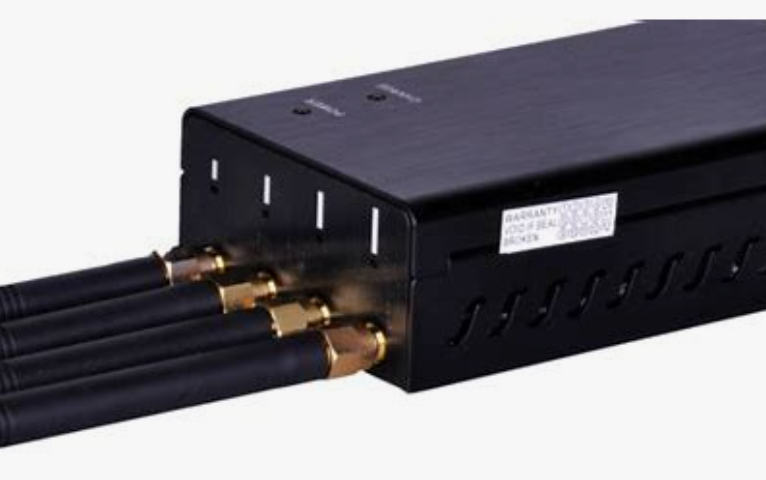
Diving into the world of technology, one can’t help but notice the ever-growing dependence on cell phones. They’ve become our constant companions, buzzing with notifications and calls, connecting us to the world in ways we never imagined. But what happens when we want to disconnect, even just for a moment? That’s where the intriguing concept of a cell phone jammer comes into play.
Imagine a device that can silence the incessant ringing and buzzing, creating a peaceful bubble of quiet. Sounds like a dream, right? Well, it’s not just a dream; it’s a reality grounded in the fascinating science and technology behind effective jammers.
The Basics of Cell Phone Jamming
Let’s start by understanding what a cell phone jammer is. At its core, a cell phone jammer is a device designed to block or disrupt signals between cell phones and cell towers. It’s like a shield that prevents communication, and it’s powered by the science of radio frequency (RF) technology.
Cell phones operate on specific frequency bands, and a jammer emits a broad range of these frequencies, overwhelming the airwaves and making it impossible for a cell phone to connect to a tower. It’s like trying to have a conversation in a room full of people all talking at once; it’s just too noisy to hear anything clearly.
How Do Jammers Work?
The science behind how jammers work is rooted in the principles of radio wave propagation and interference. Radio waves, which are a form of electromagnetic radiation, travel through the air and can be picked up by receivers like the antenna in your cell phone. A jammer essentially becomes a noisy neighbor, sending out signals on the same frequency as your phone, causing interference and preventing a clear signal.
This interference is what makes a cell phone jammer effective. By flooding the area with radio waves, the jammer ensures that no cell phone can maintain a stable connection, effectively ‘jamming’ the signal. It’s a bit like trying to tune into your favorite radio station while someone else is playing loud music in the same room; the music drowns out the station’s signal.
Types of Cell Phone Jammers
There are various types of cell phone jammers available, each with its own unique set of capabilities. Some are designed to target specific frequency bands, while others can jam multiple bands at once. This variety allows users to choose a jammer that suits their specific needs.
For instance, a basic cell phone jammer might only target the most common frequency bands used by cell phones. However, a more advanced model could jam not only cell phones but also other wireless devices like Wi-Fi routers and Bluetooth devices. This versatility is due to the ability of these jammers to emit signals across a wider range of frequencies.
Applications of Cell Phone Jammers
Cell phone jammers have a variety of applications, from personal use to more specialized scenarios. Some people use them to create a quiet zone in their homes or offices, while others use them in more controlled environments like prisons or courtrooms to prevent communication.
In schools, for example, cell phone jammers can be used to prevent cheating during exams. By blocking all cell phone signals, students are unable to receive outside help or look up information on their phones. This creates a fair testing environment where everyone is on an equal footing.
The Legality and Ethics of Jamming
While the technology behind cell phone jammers is fascinating, it’s important to consider the legal and ethical implications of using them. In many countries, using a cell phone jammer is illegal due to the potential for misuse and the disruption of important communications.
The ethics of using a cell phone jammer also come into play. While it might be tempting to use one to create a quiet space, it’s important to consider the impact on others. For example, blocking emergency calls could have serious consequences. It’s crucial to weigh the benefits against the potential harm before deciding to use a cell phone jammer.
The Future of Cell Phone Jamming Technology
As technology continues to evolve, so does the technology behind cell phone jammers. Researchers are constantly working on more effective ways to jam signals, as well as ways to counteract jamming. This is a cat-and-mouse game where the development of new jammers is met with the creation of new anti-jamming technologies.
In the future, we might see cell phone jammers that are more targeted and less disruptive to无辜 bystanders. For example, a jammer could be designed to only block signals from specific phones, rather than blanketing an entire area. This would allow for more controlled use of jamming technology, reducing the risk of unintended consequences.
Conclusion
The science and technology behind cell phone jammers is a fascinating look into the world of radio frequencies and signal interference. While they offer a solution to the noise and distraction of our always-connected world, it’s important to consider the legal and ethical implications of their use. As technology advances, we can expect to see more sophisticated and targeted jammers, but the debate over their use will likely continue. For now, the cell phone jammer remains a powerful tool in the quest for a quieter, more focused environment.