

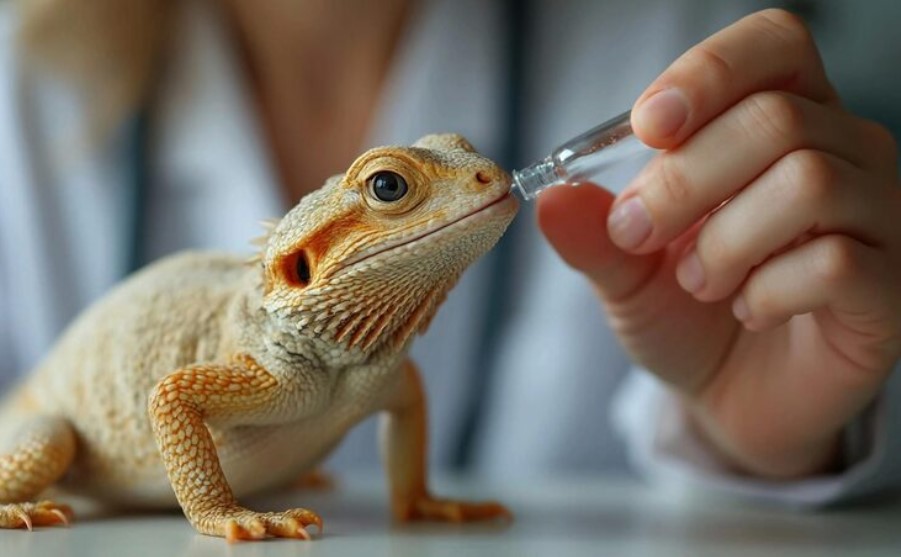
Reptiles need vitamins and minerals for healthy bones, muscles, skin, immunity, growth, and normal body functions. However, their nutritional needs vary widely by species.
An insect-eating gecko, a plant-eating iguana, a carnivorous snake, and an aquatic turtle should not receive the same supplement routine. Age, diet, UVB exposure, health, and breeding status can also affect what an animal needs.
The right reptile vitamins should fill a real nutritional gap. They should not replace a balanced diet, correct heating, or suitable UVB lighting. Giving unnecessary supplements can be just as harmful as providing too little.
Before choosing reptile supplements, identify your pet’s exact species and review its complete care setup.
Why Supplement Needs Differ by Species
Reptiles have different natural diets and feeding habits. Some eat insects, some eat plants, and others eat whole prey.
Insect-eating reptiles may need calcium because many commonly used feeder insects contain more phosphorus than calcium. Plant-eating reptiles require vegetables and greens with a suitable nutrient balance. Snakes that eat complete whole prey often receive calcium, vitamins, and minerals from the bones and organs of their food.
Turtles may eat animal protein, plant material, pellets, or a combination based on the species and age.
Before adding a multivitamin for reptiles, consider:
- Exact reptile species
- Age and growth stage
- Main diet
- Feeding frequency
- UVB exposure
- Enclosure temperature
- Health and body condition
- Egg production or breeding status
Do not copy a supplement schedule created for another reptile without checking whether it fits your animal.
When Reptile Vitamins May Be Needed
A well-planned diet should provide most of the nutrients a reptile needs. Supplements may help when the diet cannot supply enough of a specific vitamin or mineral.
They may be considered for:
- Insect-eating reptiles
- Growing juveniles
- Egg-laying females
- Reptiles recovering from nutritional problems
- Animals eating limited diets
- Species with high calcium needs
- Reptiles without enough suitable UVB exposure
Supplementation should support the full care plan. Incorrect temperatures can reduce digestion and nutrient use. Poor UVB exposure may also prevent some reptiles from producing enough vitamin D3 for proper calcium metabolism.
Merck identifies poor calcium-to-phosphorus balance, vitamin D3 deficiency, insufficient UVB exposure, and inadequate temperatures as major causes of metabolic bone disease in reptiles.
Understand Calcium, Phosphorus, and Vitamin D3
Calcium is one of the most discussed reptile minerals because it supports bones, muscle function, nerve activity, and egg production.
Calcium does not work alone. Its relationship with phosphorus and vitamin D3 also matters.
Vitamin D3 helps reptiles absorb and use calcium. Many reptiles produce vitamin D3 after exposure to suitable UVB light. VCA explains that UVB allows reptiles to manufacture vitamin D3, which is needed for calcium absorption from food.
A reptile may receive dietary calcium but still develop problems when UVB, temperature, or vitamin D3 is unsuitable.
Do not assume that adding more vitamin D3 will correct poor lighting. Over-supplementation can create health risks. VCA warns that excessive vitamin D3 and mineral supplementation is a common issue in pet box turtles.
Choosing Supplements for Lizards
Many commonly kept lizards eat insects, plants, or a mixture of both.
Insect-Eating Lizards
Geckos, anoles, chameleons, and other insect-eating lizards may need calcium powder applied to feeder insects. The exact frequency depends on the species, age, diet, and UVB setup.
The insects should also be gut-loaded with nutritious food before feeding. Supplements cannot turn poorly fed insects into a complete diet by themselves.
Young, growing lizards may have higher calcium needs than healthy adults. Egg-producing females may also need closer nutritional management.
Plant-Eating Lizards
Iguanas and other herbivorous lizards should receive varied, species-safe greens and vegetables. A calcium supplement may be useful when the diet does not provide the correct balance.
Merck advises using a reptile calcium supplement routinely for plant-eating reptiles, but the final schedule should still reflect the animal’s full diet and veterinary guidance.
Omnivorous Lizards
Bearded dragons and other omnivores eat both plant and animal foods. Their food balance often changes with age, so their supplement routine may also change.
A juvenile eating frequent insects should not automatically follow the same plan as an adult eating mostly greens.
When choosing reptile multivitamins for a lizard, look for a product made for the correct feeding type and life stage.
Choosing Supplements for Snakes
Healthy snakes that eat nutritionally complete whole prey often need fewer routine supplements than many lizards.
Whole prey can provide:
- Calcium from bones
- Vitamins from organs
- Protein and fat
- Trace minerals
- Other natural nutrients
Randomly coating complete prey with vitamin powder may create an unnecessary excess.
Supplementation may be considered when a veterinarian identifies a nutritional problem, when the prey diet is incomplete, or when the snake has a medical condition that changes its needs.
Do not add a general multivitamin for reptiles to every snake meal without a clear reason. Instead, focus on correctly sized, properly stored, nutritionally suitable whole prey.
A snake showing weakness, tremors, poor growth, unusual body shape, or repeated feeding problems needs veterinary assessment rather than an increased vitamin dose.
Choosing Supplements for Turtles and Tortoises
Turtle and tortoise diets vary significantly.
Aquatic turtles may eat commercial pellets, vegetables, plants, insects, fish, or other animal foods. Tortoises usually depend more heavily on plant material. Box turtles are generally omnivorous.
VCA states that aquatic turtles may need supplemental calcium and a multivitamin as part of a properly planned diet, but owners should seek species-specific recommendations.
Calcium may be offered through:
- Suitable calcium powder
- Balanced commercial turtle food
- Veterinarian-approved calcium sources
- Species-appropriate natural foods
Turtles also need proper lighting. Aquatic turtles require access to a dry basking area with heat and suitable UVB. Without enough UVB, they may struggle to produce vitamin D3 and absorb calcium properly.
Avoid adding several calcium and vitamin products together without comparing their ingredients. Turtle pellets may already contain added vitamins and minerals.
How to Read Reptile Supplement Labels
Before buying reptile vitamins, read the full product label.
Check for:
- Species or feeding type
- Calcium content
- Phosphorus content
- Vitamin D3
- Vitamin A source
- Other vitamins and minerals
- Serving instructions
- Expiration date
- Storage directions
Some calcium powders contain vitamin D3, while others do not. The best choice may depend on the reptile’s UVB exposure and veterinary plan.
Some multivitamins contain preformed vitamin A, while others use beta-carotene or a combination. Different reptile species may process these forms differently.
Avoid products that do not provide clear ingredient amounts or feeding directions.
Also check whether the supplement is intended for daily use, occasional use, breeding animals, or treatment under veterinary supervision.
How to Use Reptile Supplements Safely
A light, even coating is usually better than covering food with a thick layer of powder. Large amounts may change the taste, cause food refusal, or increase the risk of excessive intake.
Safe practices include:
- Follow species-specific directions
- Measure products carefully
- Use one planned supplement schedule
- Check nutrients already present in commercial food
- Store supplements in a cool, dry place
- Replace expired products
- Record when supplements are given
- Review the schedule as the reptile grows
Do not combine several reptile supplements simply because they have different brand names. They may contain the same vitamins and minerals.
For example, a calcium powder with D3, a multivitamin with D3, and a fortified commercial diet may provide more vitamin D3 than expected.
Common Supplement Mistakes
One major mistake is assuming that more vitamins create better health.
Other common errors include:
- Using one schedule for every species
- Adding supplements to every meal without checking the diet
- Giving calcium but ignoring UVB lighting
- Using human vitamins
- Combining multiple multivitamins
- Using expired products
- Failing to gut-load insects
- Giving snake prey unnecessary coatings
- Treating weakness without a veterinary diagnosis
- Ignoring enclosure temperatures
Merck notes that calcium, phosphorus, vitamin D3, UVB, and proper environmental conditions must work together. A supplement alone cannot correct unsuitable husbandry.
Signs of a Possible Nutritional Problem
Contact a reptile veterinarian if you notice:
- Soft or bent limbs
- A soft jaw
- Shell softness or unusual shell growth
- Tremors or muscle twitching
- Weakness
- Difficulty walking or climbing
- Poor growth
- Frequent fractures
- Reduced appetite
- Trouble laying eggs
These signs may be linked to nutritional disease, but infections, injuries, organ problems, poor temperatures, and other conditions can look similar.
Do not treat serious symptoms by increasing reptile multivitamins at home. The veterinarian may need to examine the animal, review the habitat, perform imaging, or test calcium and other health markers.
Choose Supplements Based on the Full Care Plan
Start by checking your reptile’s exact species, normal diet, UVB exposure, heating, and life stage. Then decide whether calcium, a vitamin product, or no added supplement is appropriate.
Choose a clearly labeled multivitamin for reptiles rather than human products or supplements made for other pets. Compare its ingredients with the vitamins already present in pellets, feeder insect diets, and other products.
Your next step should be to write down everything your reptile eats in one week. Include food, calcium, vitamins, treats, and commercial diets. Review this list with a reptile-experienced veterinarian before changing the supplement schedule.
Frequently Asked Questions
1. Do all reptiles need vitamin supplements?
No. Supplement needs depend on the species, diet, age, UVB exposure, and health. Snakes eating whole prey may need little or no routine supplementation, while many insect-eating lizards require planned calcium support.
2. Is calcium the same as a reptile multivitamin?
No. Calcium products mainly provide calcium and may include vitamin D3. A multivitamin contains several vitamins and minerals. They serve different purposes.
3. Should I choose calcium with or without vitamin D3?
The correct choice depends on the reptile species, diet, and UVB exposure. Ask a reptile veterinarian to confirm which type and schedule suit your setup.
4. Can I give human vitamins to my reptile?
No. Human products may contain unsuitable ingredients and concentrations. Use supplements designed specifically for reptiles and follow professional guidance.
5. Can too many reptile vitamins be harmful?
Yes. Excess vitamins and minerals can cause health problems. Avoid combining several products without checking their ingredients, and never exceed the recommended amount.